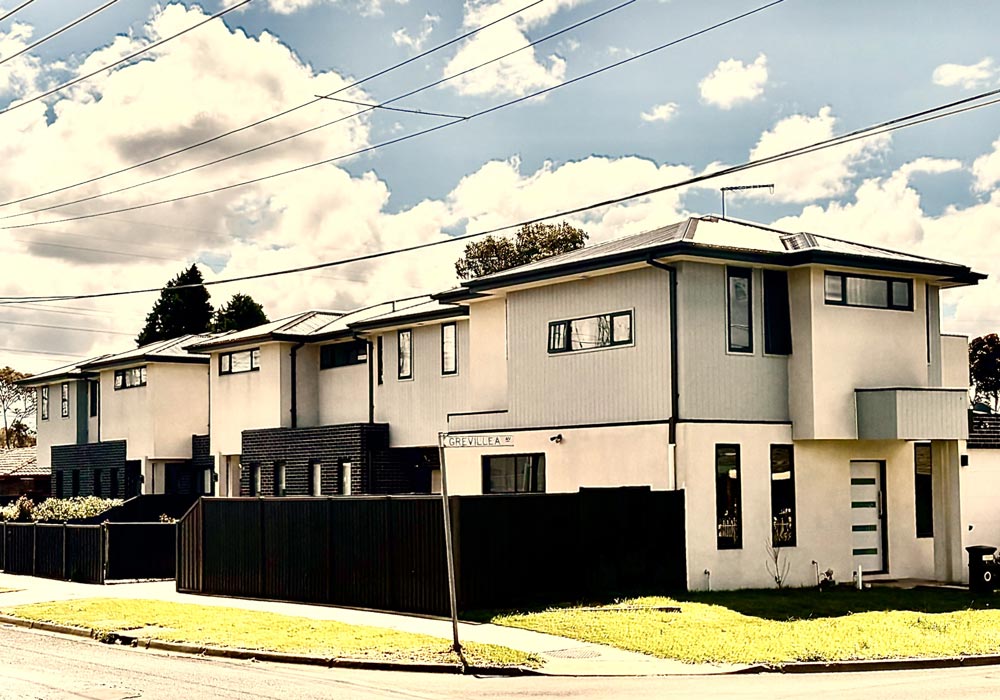
If you’re exploring subdivision in Geelong, it pays to be prepared. Subdividing land can be a rewarding investment, but the process is more complex than many people realise. Especially if you’re new to property development or looking to purchase a block with subdivision potential.
To help you make informed decisions, we’ve put together a practical checklist of things to investigate before committing to a purchase.
1. Is the land suitable for subdivision?
Before buying a property for land subdivision in Geelong, your first step should be checking if the block is eligible to be subdivided. Councils set minimum lot sizes depending on zoning, overlays, and location. In the City of Greater Geelong, zoning such as General Residential (GRZ) or Low Density Residential (LDRZ) will influence how many lots you can create, or whether subdivision is allowed at all.
You can access zoning maps via the City of Greater Geelong website, or ask a licensed land surveyor to assess the property for you.
2. Is there enough space for a driveway?
Every subdivided lot must have access via a driveway, either from the street or via a common property arrangement. While this may seem obvious, driveway placement and width are often overlooked, especially on narrower lots or in battle-axe configurations. Ensure that there’s practical and legal access for vehicles to reach all new lots.
3. Are there existing covenants or restrictions?
Some areas of Geelong, particularly newer estates and parts of the Bellarine Peninsula, may have covenants that control development on the land. These can restrict building height, façade materials, fencing styles, or even how many dwellings are allowed.
Before you purchase a site for subdivision, check the property’s title for any restrictive covenants or Section 173 Agreements that could affect your plans.
4. Can the land be properly drained?
Subdivision in Geelong requires that each new lot has an appropriate drainage solution. If the land is sloped, low-lying, or prone to water runoff, it may need additional civil works or easements to manage stormwater.
Consulting a licensed land surveyor early can help identify if the drainage conditions meet council requirements, or if further works will be needed post-subdivision.
5. Is there access to essential services?
All lots must be connected to basic services, including:
- Electricity
- Water
- Sewerage
- Gas (where available)
- Telecommunications
In some cases, older or more rural sites may require infrastructure upgrades to meet these requirements. Be sure to investigate the costs and availability of connecting each lot to services before moving forward.
6. Work with a professional land surveyor
Land subdivision can involve planning permits, council negotiations, and detailed survey documentation. A qualified land surveyor like Mark Potter will guide you through the subdivision process, from site assessment and planning applications to final surveying and title registration.
If you’re serious about subdivision in Geelong, working with a land surveyor early will help you avoid costly surprises and ensure your development progresses smoothly. Contact Mark Potter Land Surveyor to arrange a site assessment and discuss your goals.